Redbridge Council garden waste rules for gardeners Ilford: a practical guide for local gardeners
If you garden in Ilford, you'll know that the real challenge is not always the pruning, mowing, or clearing itself. It's what happens after the work is done. The Redbridge Council garden waste rules for gardeners Ilford affect how you collect, store, move, and dispose of green waste, and getting that part wrong can be messy in every sense. A little wet soil in a sack is one thing; a van-load of mixed waste left sitting on a drive is another. This guide breaks everything down in plain English so you can stay tidy, work efficiently, and avoid avoidable headaches.
We'll look at what the rules mean in practice, how they affect garden maintenance jobs, what good compliance looks like, and how gardeners can plan their work so waste handling feels straightforward rather than bolted on at the end. Truth be told, this is the bit that saves time and keeps clients happy.
Table of Contents
- Why Redbridge Council garden waste rules for gardeners Ilford matters
- How Redbridge Council garden waste rules for gardeners Ilford works
- Key benefits and practical advantages
- Who this is for and when it makes sense
- Step-by-step guidance
- Expert tips for better results
- Common mistakes to avoid
- Tools, resources and recommendations
- Law, compliance, standards, or best practice
- Options, methods, or comparison table
- Case study or real-world example
- Practical checklist
- Conclusion
- Frequently asked questions
Why Redbridge Council garden waste rules for gardeners Ilford Matters
Garden waste sounds harmless, and mostly it is. Leaves, hedge trimmings, grass cuttings, and small branches are part of everyday maintenance. But once you are working for clients in Ilford, the details start to matter. Councils expect waste to be handled correctly, and gardeners are usually the ones on the front line when there is confusion about what goes where.
For a homeowner, the issue might be a single overflowing pile after a weekend tidy-up. For a professional gardener, it can be a recurring operational question: should this go into garden waste collection, be composted on site, loaded for removal, or separated from contamination like plastic pots and general rubbish? Not glamorous, I know, but absolutely essential.
It matters for four reasons:
- Compliance: mixed waste or incorrect disposal can create avoidable problems.
- Efficiency: clean sorting and planned removal reduce time on site.
- Client trust: customers notice when waste is handled neatly and responsibly.
- Environmental performance: garden waste is best kept separate wherever possible so it can be recycled or composted appropriately.
There's also the simple fact that garden waste tends to build up fast. One damp morning of hedge cutting can fill a surprising number of sacks. If you do not have a waste plan before you start, you end up juggling cuttings, bins, tarps, and a client who is trying to leave for work through the back gate. Not ideal.
A useful mindset is this: treat waste management as part of the job specification, not as an afterthought.
For gardeners who want support with larger clearances or routine upkeep, the service information on garden clearance and garden maintenance can help set expectations from the start.
How Redbridge Council garden waste rules for gardeners Ilford Works
At a practical level, the rules are about separating and presenting garden waste properly, then making sure it enters the right disposal route. The exact collection arrangements can change over time, so the safe approach is always to check the current Redbridge Council guidance before a job. That said, the working logic stays broadly the same.
What counts as garden waste?
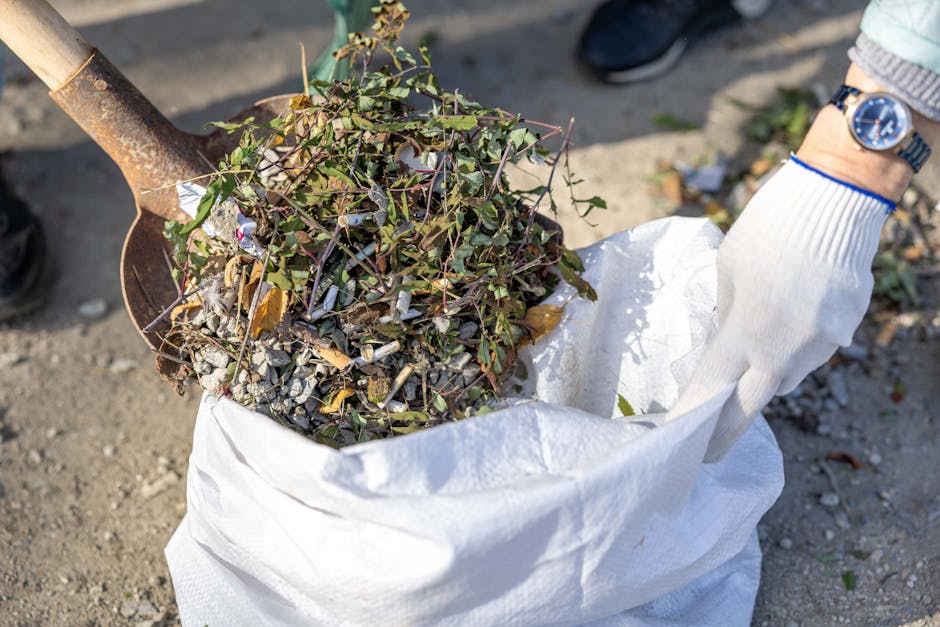
Typical garden waste includes grass cuttings, leaves, small prunings, hedge trimmings, weeds, and similar organic material. In many gardens, that is the bulk of what you'll see after routine maintenance. However, once you add in soil, stones, treated timber, old plant pots, rubble, or general household rubbish, it stops being simple green waste.
That distinction matters. Mixed loads are more difficult to recycle and may need different handling. A pile of rose clippings is one thing; a sack containing clippings, broken terracotta, and old compost bags is quite another.
How waste usually gets managed on a job
- Separate at source. Keep green waste apart from plastics, metals, soil, and general rubbish while the work is happening.
- Use the right containers. Sacks, bins, cages, tarps, or a trailer should match the type and volume of waste.
- Avoid contamination. Don't mix in food waste, building materials, or sharp debris.
- Decide whether it stays on site or leaves the site. Smaller jobs can sometimes be managed with composting or council collection arrangements; bigger jobs often need a dedicated clearance plan.
- Record and communicate. If you are working for a client, make clear what has been removed, what remains, and who is responsible for final disposal.
For many local gardeners, the simplest day-to-day approach is a two-stream system: one for clean green material, and one for non-green waste. It sounds basic because it is. But basics are what keep the whole process from turning into a scramble.
Why the collection route matters
If a local collection service is used, garden waste usually needs to be presented in the correct way and at the correct time. If you are handling waste independently as part of your business, you need to think like a waste manager as well as a gardener. That means proper separation, sensible storage, and a disposal method that matches the material. No one wants a soggy trailer full of hedge cuttings sitting in the dark because the unloading plan was "we'll sort it tomorrow".
If you are unsure how a particular job fits into your broader service offer, the overview page on services overview gives a useful sense of how different gardening tasks sit together operationally.
Key Benefits and Practical Advantages
Following the rules is not just about avoiding trouble. Done well, it improves the quality of your service. That's the bit clients actually remember.
- Cleaner working sites: fewer trip hazards, fewer stray clippings, and less mess on patios or driveways.
- Faster turnaround: planned waste handling saves repeated trips and unnecessary re-sorting.
- Better recycling outcomes: clean green waste is easier to compost or process properly.
- Less client friction: people appreciate a garden that is tidy at the end, not just halfway through.
- Lower risk of complaints: clear separation and disposal reduce the chance of misunderstandings about what was removed.
There's also a quieter benefit: it helps your work feel more professional. A well-run gardener does not just cut, trim, and leave. They leave a space that feels settled. You can hear the difference, oddly enough. Less clatter, less dragging, less "where does this bag go?"
Expert summary: If you manage garden waste properly from the start, you save time, reduce mess, support recycling, and make the whole job look more polished. It is one of those unglamorous details that quietly lifts the whole service.
For teams focused on sustainability, the recycling and sustainability page is a good companion read, especially when you want your garden work to feel responsible as well as practical.
Who This Is For and When It Makes Sense
This guide is useful for a few different people, and probably more than you first expect.
Home gardeners in Ilford
If you're cutting back shrubs, mowing a lawn, tidying borders, or clearing fallen leaves, you need to know what can be put into garden waste and what cannot. Even a modest weekend job can produce a lot more material than expected, particularly after a wet spell when everything seems to swell and cling together.
Professional gardeners and landscapers
If you work regularly across Ilford and wider Redbridge, waste handling affects your reputation, your scheduling, and the economics of each job. A tidy clearance process makes you more reliable. It also helps you quote more accurately, because waste volume, access, and disposal time all play into the final job cost.
Landscapers and clearance teams
Projects involving replanting, turf work, hedge reduction, or structural changes often generate mixed waste. That can include soil, old planting material, timber offcuts, and sometimes broken hard landscaping items. The more complex the project, the more important it is to plan waste separation before the first shovel goes in. If your work often includes larger site preparation, take a look at landscaping and landscape gardening for the broader service context.
Anyone who wants a cleaner, safer garden
Sometimes the issue is not regulation at all. It's convenience. If the bins are full, the pile is growing, and the path is narrowing, you need a practical method that gets the waste out of the way quickly without creating a second problem somewhere else.
Step-by-Step Guidance
Here is a simple way to handle garden waste in a Redbridge/Ilford setting without overcomplicating the job.
- Identify the waste before you start. Walk the site and note what you'll be generating: grass, hedge cuttings, branches, weeds, soil, pots, broken fencing, or mixed debris.
- Separate organic waste from non-organic waste. Keep green waste clean. The cleaner the load, the easier the next step becomes.
- Choose your disposal route early. Will it go into local collection arrangements, on-site composting, or a removal load? Decide before the bags pile up.
- Use the right equipment. Barrow, tarp, sacks, bin, trailer, or grab-and-go bags. The equipment should suit the job, not fight it.
- Store waste safely while you work. Avoid blocking gates, drains, or access routes. Wet cuttings become slippery, and nobody needs that.
- Check for contamination before final disposal. One forgotten plastic plant tray can ruin an otherwise clean load.
- Leave the site visibly tidy. Sweep up the last bits. It sounds minor, but those final crumbs are often what people notice.
A small example: if you are trimming hedges along a narrow side return in Ilford, it is tempting to pile clippings wherever there is space. Don't. Put down a tarp first, collect as you go, and move waste to a central point in smaller loads. You'll save yourself the irritating half-hour at the end when you are trying to drag damp branches through a narrow gate. Been there, regretted that.
For regular upkeep that naturally creates ongoing waste streams, the hedge trimming and lawn mowing pages can help you think through how different tasks affect disposal needs.
Expert Tips for Better Results
A few practical habits make all the difference here.
- Work with the waste in mind. Cut in manageable sections so you are not creating one giant pile to sort later.
- Keep a separate bag for "unknowns." Old ties, broken tags, labels, and small bits of plastic often show up in otherwise clean waste.
- Use dry storage when possible. Wet green waste is heavier, smellier, and harder to shift. It also behaves like a stubborn sponge.
- Do a final contamination sweep. Before loading out, check for screws, stones, pots, and plastic bits hidden in clippings.
- Plan for access. If the garden backs onto a tight alley or shared path, think about lift points and turning space before you fill the first bag.
- Communicate with the client early. If there are extra disposal charges or special handling needs, say so before the work starts, not after the truck is full.
One thing professionals often underestimate is how much easier a job becomes when the waste point is fixed from the beginning. Pick a corner, a tarp area, or a loading zone and stick to it. Wandering waste zones are where time disappears.
If your work includes branches, overgrown shrubs, or risky tree sections, you may also want to review tree lopping and removal so waste planning matches the scale of the job.
Common Mistakes to Avoid
Most waste problems are not dramatic. They are small slips that stack up.
- Mixing green waste with general rubbish. This is the big one. It makes disposal harder and can create avoidable delays.
- Leaving wet waste in open piles. It gets heavier, smellier, and more awkward to move.
- Underestimating volume. A "quick tidy" can become three overflowing bags before lunch.
- Ignoring access issues. If the only route out is through a narrow side passage, you need a plan before the pile gets large.
- Not checking current council guidance. Waste rules and collection arrangements can change, so keep your information current.
- Forgetting client expectations. Some clients expect full removal; others are happy with on-site composting. Never assume.
There's a funny thing about garden waste: the less attention you give it, the more attention it demands. It sits there, quietly expanding, until suddenly it owns the patio.
For more structured projects or property-wide tidy-ups, the garden clearance page is useful for understanding how waste-heavy jobs can be handled more cleanly.
Tools, Resources and Recommendations
You do not need a warehouse of equipment to handle garden waste well. You do need the right basics.
Useful tools
- Heavy-duty garden sacks: good for cuttings, weeds, and smaller prunings.
- Tarp sheets: excellent for dragging and gathering debris without scratching surfaces.
- Wheelbarrow or garden cart: helpful for moving waste from the back garden to the point of collection.
- Pruning shears and loppers: cleaner cuts make waste easier to bundle.
- Rake and leaf collector: ideal for thin material that otherwise spreads everywhere.
- Gloves and sturdy footwear: basic, but non-negotiable.
Practical resources to keep on hand
- A simple site checklist for waste segregation.
- A short job note explaining what will be removed and what stays.
- A repeatable approach for recurring maintenance clients.
- A method for pricing disposal time separately when jobs are large or mixed.
If you want to understand the business side a little better, pricing and quotes can help with thinking through how waste handling affects job estimates. And if you want to know more about the company ethos behind responsible work, have a look at about us.
Law, Compliance, Standards, or Best Practice
For garden waste, the safest approach is to follow current council guidance and established UK waste best practice. In plain terms, that means separating waste properly, avoiding contamination, and using a lawful disposal route. The exact rules can vary depending on the type of waste, the collection arrangement, and whether you are working as a homeowner or as a business.
Gardeners should be especially careful with:
- Mixed waste: once non-green material enters the pile, the disposal pathway may change.
- Soil and rubble: these are often handled differently from plant-based waste.
- Arisings from larger works: heavier jobs may generate a material mix that needs a more formal clearance process.
- Business responsibility: if you are a paid gardener, you have a professional duty to handle waste sensibly and communicate clearly with the client.
Best practice is to keep your waste stream clean, your site notes clear, and your removal method proportionate to the job. That's really the heart of it. If you do the basics well, most problems never get a chance to grow teeth.
The insurance and safety page is also worth reviewing when your work involves heavier loads, sharp tools, or more complex site conditions. Safety and waste management tend to travel together.
Options, Methods, or Comparison Table
Different jobs call for different disposal methods. Here is a simple comparison to help you choose the most sensible route.
| Method | Best for | Advantages | Limitations |
|---|---|---|---|
| On-site composting | Leaves, grass, soft cuttings | Low effort, low cost, environmentally friendly | Needs space and time; not suitable for all clients |
| Local collection arrangement | Routine household garden waste | Convenient for smaller volumes | May have presentation or timing rules |
| Dedicated removal service | Large clearances, mixed volumes, time-sensitive work | Fast, tidy, suited to bigger jobs | Usually requires clearer planning and may add cost |
| Job-by-job segregation | Professional maintenance across multiple sites | Best control, cleaner recycling streams | Requires discipline and good site workflow |
In many Ilford gardens, a blended approach works best. Regular maintenance waste can often be composted or collected in smaller amounts, while seasonal clear-outs or overgrown plots benefit from a more deliberate removal plan. No one method wins every time. It depends on the garden, the access, and how quickly the client wants the space back.
Case Study or Real-World Example
Here's a realistic example from the kind of work gardeners often face in Ilford.
A terraced property has a back garden that has not had proper attention for a while. There are hedge trimmings along one fence, lawn cuttings by the side return, several bags of old leaves near the shed, and a few unwanted items tucked behind a planter. Nothing dramatic, but enough to create confusion if the waste is not sorted early.
The cleaner approach is simple:
- Start with a quick site walk.
- Separate clean green waste from everything else.
- Keep the branchy material bundled apart from soft cuttings.
- Move any mixed items into a separate bag for non-green disposal.
- Load the waste in stages rather than all at once.
The result is less time spent re-handling material and a much tidier finish. The client sees a garden that has been genuinely cleared, not just half-managed. And to be fair, that final impression is often what decides whether they call you again in spring.
That same logic applies whether the job is a one-off clean-up or part of routine maintenance. If you are planning recurring visits, aligning the waste strategy with your service pattern is what keeps things smooth.
Practical Checklist
Use this before, during, and after a garden job in Ilford.
- Confirm what type of garden waste the job will create.
- Check current Redbridge Council guidance before disposal.
- Separate green waste from mixed rubbish, soil, and hard materials.
- Make sure you have enough bags, tarp space, or collection capacity.
- Plan the exit route before the first pile gets large.
- Keep pathways, drains, and access points clear.
- Remove contamination such as plastic, wire, stones, or broken pots.
- Agree who is responsible for disposal before work starts.
- Record what was removed if you are working professionally.
- Leave the site swept and visibly tidy.
Quick takeaway: clean separation, clear access, and early planning solve most waste problems before they become expensive or annoying.
If the job is larger than expected, it can help to pause and re-plan rather than pushing on blindly. That little pause saves a lot of hassle later. Sometimes the clever move is simply to stop and sort.
Get a free quote today and see how much you can save.
Conclusion
Redbridge Council garden waste rules for gardeners Ilford are not just a box-ticking exercise. They shape how you work, how tidy your jobs look, and how smoothly waste leaves the site. When you separate materials properly, plan for access, and choose the right disposal route, the whole job feels easier. Less clutter, less backtracking, less stress.
Whether you are maintaining a small back garden, clearing an overgrown plot, or managing regular client work across Ilford, the real win is consistency. Good waste habits become second nature after a while. And once they do, you notice the difference everywhere: cleaner patios, quicker finishes, happier clients, fewer awkward moments at the gate.
That's the quiet value here. Keep it simple, keep it clean, and the rest tends to fall into place.
Frequently Asked Questions
What counts as garden waste under Redbridge Council garden waste rules for gardeners Ilford?
In general, garden waste means organic material such as grass cuttings, hedge trimmings, leaves, weeds, and small branches. Soil, rubble, plastics, treated timber, and general rubbish usually need separate handling. If the load is mixed, treat it with extra care.
Can gardeners put all green waste into one bag?
Only if the waste is clean and suitable for the collection or disposal method being used. If there are plastics, stones, or non-garden items mixed in, separate them first. A clean load is far easier to manage, and honestly, far less annoying to deal with later.
Do I need to check council rules before every job?
You do not need to start from scratch every time, but it is sensible to check current Redbridge Council guidance regularly, especially if you handle waste professionally. Collection arrangements and expectations can change, and it is better to catch that early.
What should I do with soil and turf?
Soil and turf can be very different from ordinary green waste. They are heavier and may require a different disposal route. If a job includes a lot of digging or re-turfing, plan for that before the work starts so you are not left with unexpected weight and volume.
Can garden waste be composted on site?
Yes, sometimes. Composting is a useful option for leaves, grass, and soft organic material, provided there is enough space and the client is happy with it. It is not always practical for every garden, especially smaller urban plots in Ilford, but where it works, it can be an excellent approach.
How do I avoid garden waste contamination?
Keep a separate area for clean green waste and check piles before loading or disposal. Remove plant labels, plastic pots, wire ties, and small rubbish as you go. A quick final sweep is usually worth the few minutes it takes.
What is the best disposal method for larger garden clearances?
For bigger clearances, a dedicated removal or clearance service is often the most efficient method. It keeps the job moving, avoids repeated trips, and gives you more control over what is taken away. Larger jobs tend to become messy if you try to improvise.
Do professional gardeners have extra responsibilities?
Yes, in practice they do. A professional gardener should be clear about what waste is being removed, how it will be handled, and whether any extra disposal costs apply. Good communication is part of the service, not an optional extra.
How can I tell if a job needs garden clearance rather than routine maintenance?
If the site involves heavy overgrowth, accumulated debris, mixed waste, or lots of material that will not be left on site, it is probably closer to a clearance job. Routine maintenance is more about ongoing upkeep; clearance is about resetting a space. The line can blur a bit, to be fair, but the volume usually gives it away.
What is the most common mistake gardeners make with garden waste?
The most common mistake is underestimating volume and leaving sorting too late. One pile becomes three, the wrong items get mixed in, and disposal gets harder than it needed to be. If you plan waste handling from the start, most of that trouble disappears.
Where can I find more information about the services that support waste-heavy jobs?
Useful pages include garden clearance, garden maintenance, and services overview. They help put waste planning into the wider picture of how a job is scoped and delivered.
And if you are thinking about the next job already, that is a good sign. Good gardens are built on small, sensible habits done well, one visit at a time.