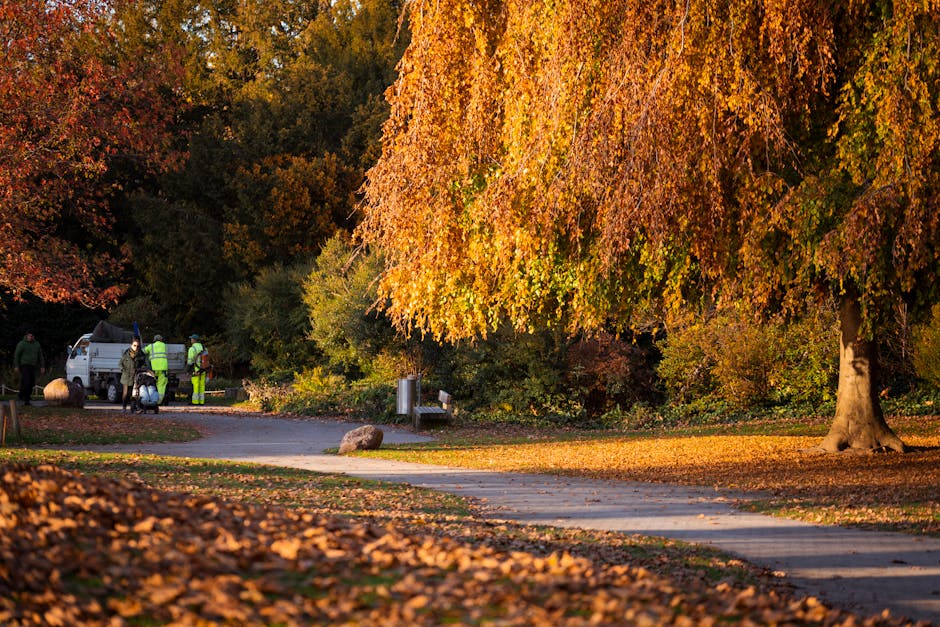
Valentines Park garden maintenance experts Ilford: practical local guidance for healthier, tidier gardens
If you live near Valentines Park or manage a garden in Ilford, you already know the rhythm of outdoor maintenance is a little different here. One wet week, then a dry spell, then a sudden burst of growth that seems to happen overnight. That is exactly where Valentines Park garden maintenance experts Ilford come in: not just to mow and tidy, but to keep planting beds, lawns, hedges, and borders healthy through the seasons. In simple terms, this is about consistent care, sensible planning, and avoiding the kind of small problems that quietly become expensive ones later on.
This guide explains what garden maintenance involves, how a professional service usually works, who benefits most, and what to look for before you book. It also covers safety, best practice, and a realistic comparison of maintenance approaches, so you can make a calm, informed decision. No fluff. Just proper useful advice.
Table of Contents
- Why Valentines Park garden maintenance experts Ilford Matters
- How Valentines Park garden maintenance experts Ilford Works
- Key Benefits and Practical Advantages
- Who This Is For and When It Makes Sense
- Step-by-Step Guidance
- Expert Tips for Better Results
- Common Mistakes to Avoid
- Tools, Resources and Recommendations
- Law, Compliance, Standards, or Best Practice
- Options, Methods, or Comparison Table
- Case Study or Real-World Example
- Practical Checklist
- Conclusion
- Frequently Asked Questions
Why Valentines Park garden maintenance experts Ilford Matters
A garden near Valentines Park is not the same as a garden in a quieter rural setting. You get the same basic needs, of course, but the pace is different. Trees cast shade in some spots, foot traffic can affect front gardens, local weather can swing quickly, and mature planting often needs more careful attention than a standard weekly cut-and-trim approach.
Good garden maintenance matters because outdoor spaces are living systems. Ignore a lawn for a few weeks and you may get compaction, moss, scalping, or uneven growth. Leave shrubs unchecked and they can block light, crowd paths, and become harder to bring back into shape. Skip seasonal pruning and, before long, a neat border starts looking a bit tired. Happens fast. Faster than most people expect.
For households, landlords, letting agents, and small businesses in Ilford, maintenance also matters for presentation and practicality. A tidy front garden improves the whole feel of a property. A managed back garden is easier to enjoy. And for anyone with limited time, the right service turns a chore into something more predictable and manageable.
It also helps to think in terms of plant health, not just appearance. A professional approach focuses on soil condition, correct cutting heights, seasonal timing, and sensible waste handling. That is one reason many people prefer a structured service rather than a one-off blitz. If you want to understand the wider range of support available, the services overview is a useful place to start.
Expert summary: good garden maintenance is not just about keeping things neat. It protects plant health, reduces avoidable repair work, and keeps your outdoor space usable across the year.
How Valentines Park garden maintenance experts Ilford Works
Most maintenance work starts with a straightforward assessment. A gardener will look at the size of the garden, the state of the lawn, the level of weed growth, hedge shape, access, seasonal pressure, and any problem areas such as poor drainage or overgrown borders. That first look matters more than people think. It shapes the whole plan.
From there, a maintenance routine is usually built around regular visits or seasonal visits. In a small garden, that might mean lawn care, edging, pruning, deadheading, and debris removal. In a larger or more established garden, the work can include bed refreshes, shrub control, leaf clearance, and checking that plants are not competing too aggressively.
In practice, the best results come from consistency. A one-off tidy can make a dramatic difference, yes, but follow-up visits are what keep the garden from slipping back. Think of it like house cleaning: you can do a full reset once, but the place only stays pleasant if someone keeps on top of it. Truth be told, gardens are the same.
Many local clients also want a service that is transparent about cost, safe working practices, and payment expectations. That is where useful pages like pricing and quotes and payment and security can help answer the obvious questions before anything starts.
Typical maintenance tasks you may see
- Lawn mowing, edging, and seasonal feeding
- Weeding of beds, borders, paths, and patio joints
- Hedge trimming and selective pruning
- Deadheading and light plant shaping
- Leaf clearance and green waste removal
- Mulching and soil surface improvement
- General tidy-ups before guests, letting cycles, or seasonal changes
The exact mix depends on the garden. A small paved yard needs a different eye from a mature family garden with shrubs, lawn, and decorative planting. That sounds obvious, but it is where rushed services often go wrong.
Key Benefits and Practical Advantages
There are a few clear reasons people choose a professional service rather than trying to keep everything under control themselves. Some are practical. Some are about quality of life. And a few are simply about saving Saturday morning from becoming a battle with a hedge trimmer.
1. Better-looking outdoor space, more often
A maintained garden tends to look cared for all year, not just after a big spring clean. Small details matter: crisp edges, even mowing, trimmed growth, no stray weeds in the borders. Those little things change how the whole space feels when you open the back door.
2. Healthier plants and lawns
Regular maintenance helps prevent problems building up. Lawns benefit from the right cut height. Shrubs benefit from correct timing. Beds benefit from fewer weeds and better airflow. Gardens are not static; they respond to every cut, trim, and missed visit.
3. Less stress, less guesswork
Many homeowners know the feeling: one weekend you plan to do the garden, the weather turns, and suddenly three weeks have gone by. A regular service removes that loop. It gives you a rhythm you can trust.
4. Safer, tidier access
Overgrown paths, low branches, loose debris, and slippery surfaces can all create avoidable hazards. Good maintenance keeps access clear and reduces everyday risk, especially for families, older residents, or anyone who uses the garden frequently.
5. Better long-term value
It is rarely cheaper to let a garden slide and then do a huge recovery job later. Most outdoor spaces respond well to steady care. That is particularly true where hedges, shrubs, and lawns are part of the property's first impression.
| Benefit | What you notice day to day | Why it matters |
|---|---|---|
| Regular cutting | Cleaner lines, less overgrowth | Supports healthier lawn and easier upkeep |
| Seasonal pruning | Better shape and more light | Helps plants stay balanced and manageable |
| Weed control | Less clutter in beds and paths | Reduces competition for water and nutrients |
| Debris removal | Cleaner surfaces, less mess | Improves appearance and lowers slip risk |
Who This Is For and When It Makes Sense
This kind of service is for more people than you might think. It is not only for large homes or formal gardens. In fact, some of the most common reasons for booking help are very ordinary.
- Busy homeowners who want a garden that stays presentable without eating into every weekend
- Older residents who want to keep on top of the space without strain or unnecessary lifting
- Landlords and letting agents who need outdoor areas maintained between tenancies or inspections
- Families who need a safe, usable garden rather than a project that never ends
- Small businesses with frontage, courtyards, or outdoor customer areas that need to look cared for
- Property managers dealing with repeat maintenance across more than one site
It also makes sense when a garden has simply got away from you a bit. No judgement there. Gardens grow. People get busy. The trick is recognising when a quick tidy will not be enough and a more structured reset is the wiser call.
If you are weighing up different services or want to know what level of help is available, the about us page is useful for understanding the approach behind the work, while the contact page is the sensible next step if you want to talk through your garden's needs.
Step-by-Step Guidance
If you are booking Valentines Park garden maintenance experts Ilford for the first time, the process is usually simpler than people expect. Here is how it generally works.
- Walk the garden and identify priorities. Start with the obvious issues first: overgrown hedges, thick weeds, patchy lawn, messy borders, blocked paths. One quick walkthrough helps set the agenda.
- Decide whether you need a one-off tidy or ongoing maintenance. A one-off visit is good for recovery work. Ongoing care is better if the garden should stay in shape over time.
- Ask what is included. Some services focus on tidying, while others include waste removal, pruning, and seasonal tasks. Make sure the scope is clear before work begins.
- Check timing and seasonality. Pruning, mowing, and planting all depend on the time of year. A professional should avoid heavy-handed cuts at the wrong time.
- Discuss access and any sensitive areas. If there are delicate plants, a narrow side gate, shared access, or awkward paving, say so early. It saves trouble.
- Agree on schedule and follow-up. For regular care, decide whether visits are weekly, fortnightly, monthly, or seasonal.
- Review the result and make notes. A good gardener will welcome feedback. You may want more light in one border, a lower hedge line, or a gentler cut on the lawn next time.
That sequence sounds very tidy on paper. In reality, the first visit often reveals a couple of extra jobs you had not noticed from the kitchen window. That is normal, and honestly, that is part of the value.
Expert Tips for Better Results
Over time, a few habits make a noticeable difference. Nothing dramatic. Just the kind of small discipline that keeps a garden from becoming a headache.
Match maintenance to the season
In spring, growth can race away. In summer, watering and lawn care become more important. In autumn, leaf clearance and debris management matter more than ever. Winter is often about protection, structure, and avoiding unnecessary stress on plants. The garden will tell you what it needs, if you look closely enough.
Do not cut everything at once
It is tempting to go hard on an overgrown area and make it look "sorted" in one go. But too much pruning, especially on shrubs or hedges, can leave the garden looking bare and stressed. A better approach is often staged work.
Keep an eye on the lawn edges
Edges make a bigger visual difference than most people realise. A lawn can be reasonably neat, but if the edges are ragged, the whole thing reads as untidy. Funny how that works.
Use mulching where it fits
Mulch can help beds retain moisture and suppress weeds, while also improving the overall finish. It is not magic, but it does a lot of quiet work in the background.
Ask for maintenance notes
If the gardener can tell you what was pruned, what was left alone, and what should be watched over the next few weeks, that is very useful. You are not just paying for hands-on work; you are paying for judgment.
Common Mistakes to Avoid
A lot of garden maintenance problems come from small, avoidable errors rather than major failures. The garden just slowly drifts out of shape. Bit by bit.
- Leaving too long between visits. Once growth gets ahead of you, the work becomes heavier and less efficient.
- Cutting hedges at the wrong time. Some plants tolerate hard cutting better than others. Timing matters.
- Ignoring weeds in borders and paving. A few weeds can become a much bigger job if they establish roots deeply.
- Using the wrong mower height. Cutting too short can weaken turf, especially in dry or stressed conditions.
- Forgetting waste clearance. A tidy cut without proper removal still leaves the site looking unfinished.
- Assuming every garden needs the same treatment. Different plants, soil types, and light levels call for different care.
One common mistake is trying to "save money" by delaying maintenance until a garden is badly overgrown. That can turn a modest visit into a far bigger restoration job. Let's face it, the garden does not pause while you are deciding.
Tools, Resources and Recommendations
You do not need specialist knowledge to make better maintenance decisions, but it helps to understand the basic tools and what they are for. That way, you can judge whether a service is giving you sensible, practical support rather than just going through the motions.
Common tools used in garden maintenance
- Manual or powered lawn mowers for regular grass cutting
- Strimmers and edgers for finishing awkward spots and margins
- Secateurs and loppers for pruning smaller stems and branches
- Hedge trimmers for controlled shaping and tidy lines
- Rakes and blowers for leaf and debris collection
- Wheelbarrows and collection bags for waste handling
What matters more than the tool itself is how carefully it is used. A well-kept hedge can be ruined by a rushed trim. A lawn can be stressed by poor cutting practice. The gear matters, but judgment matters more.
Useful things to ask before booking
- What is included in a standard maintenance visit?
- Do you handle green waste removal?
- How do you approach seasonal pruning?
- What happens if the garden needs more work than expected?
- How do you handle access, safety, and fragile planting?
If you care about broader service standards, the supporting pages on health and safety policy, insurance and safety, and recycling and sustainability are worth a look. They help you understand the working standards behind the service, especially if you are comparing providers.
Law, Compliance, Standards, or Best Practice
Garden maintenance is not usually complicated from a compliance point of view, but there are still sensible standards to follow. If work involves tools, ladders, powered equipment, or waste removal, safe practice matters. If a property is rented, landlords and agents should also think about keeping outdoor areas in a condition that is safe and reasonably maintained for occupants or visitors.
In the UK, best practice generally means working carefully around access routes, avoiding damage to property, handling waste responsibly, and using equipment properly. For gardens with shared spaces, narrow side passages, or close boundaries, it is especially important to plan the job so that plants, paving, fences, and neighbouring property are respected. That sounds basic, but basic is where a lot of quality lives.
Customers should also expect clarity around terms, payment, and complaints handling. Not because problems are likely, but because clear process builds trust. Pages such as terms and conditions, complaints procedure, and accessibility statement are the sort of supporting information that shows a provider is thinking beyond the job itself.
Where waste is involved, responsible disposal is part of good practice too. Green waste should be managed sensibly, ideally with recycling or composting where appropriate. It is a small thing, but it says a lot about how carefully the work is done.
Options, Methods, or Comparison Table
There is more than one way to maintain a garden. The best choice depends on the condition of the space, how much time you have, and whether you want short-term recovery or ongoing upkeep.
| Approach | Best for | Pros | Trade-offs |
|---|---|---|---|
| One-off tidy | Overgrown or neglected gardens | Quick visual improvement, good reset | Needs follow-up to stay effective |
| Regular maintenance | Homes, rentals, and busy households | Stable appearance, fewer problems building up | Requires a schedule and ongoing budget |
| Seasonal visits | Gardens that need lighter, planned care | Good for leaf clearance, pruning, and cut-backs | Less control between visits |
| Self-maintenance | Confident gardeners with time and tools | Flexible, personal, can feel rewarding | Easy to fall behind; heavy work can creep up |
To be fair, many people use a mix of these methods. They might book a professional reset in spring, then lighter maintenance through the year. That can be a sensible middle ground if you enjoy some gardening but do not want the whole thing on your shoulders.
Case Study or Real-World Example
Here is a realistic example. A family living near Valentines Park had a back garden that looked fine from the house but was gradually becoming harder to use. The lawn was patchy at the edges, weeds had crept into the borders, and one hedge had grown enough to block light into the seating area. Nothing dramatic, just a slow slide.
They started with a one-off maintenance visit. The work focused on clearing the borders, shaping the hedge, restoring the lawn edges, and removing debris that had built up over time. The biggest change was not even the lawn. It was the feeling of space. Once the light came back in and the lines were cleaner, the garden felt usable again.
After that, they moved to a regular maintenance plan. Not a huge one. Just enough to stop things slipping. That is the lesson, really. A garden does not usually need constant intervention. It needs the right kind of attention at the right time. Small, steady care beats a heroic rescue job most of the time.
Practical Checklist
Use this simple checklist before you book or review a garden maintenance visit:
- Identify the main issues: lawn, hedges, weeds, borders, access
- Decide whether you need one-off help or ongoing maintenance
- Check that the scope of work is clear
- Ask about waste removal and recycling
- Confirm how seasonal tasks will be handled
- Make sure access points and hazards are pointed out in advance
- Review safety and insurance information if relevant
- Set a schedule that suits the garden, not just the calendar
- Keep notes on what worked well and what you want changed next time
- Book the next visit before the garden starts drifting again
That last point is simple, but effective. Good gardens rarely happen by accident. They are maintained into being.
Conclusion
Choosing Valentines Park garden maintenance experts Ilford is really about choosing calm, consistent care over occasional panic. Whether you need a one-off tidy, seasonal support, or regular upkeep, the right approach should leave your garden healthier, easier to manage, and better to live with.
The best services do more than clip and clear. They notice the little things: where growth is crowding, where the soil needs attention, where the lawn is under stress, and where a light touch is better than a heavy one. That is the difference between a space that simply looks cut back and a garden that actually stays in good shape.
If you are comparing options, use the details that matter: scope, safety, communication, pricing clarity, and whether the work fits the garden you actually have. Not the idealised garden in your head. The real one, with the awkward corner and the hedge that always grows quicker than expected.
Get a free quote today and see how much you can save.
And if you are ready to take the next step, a quick conversation can save a lot of second-guessing later. A well-kept garden has a way of making everything feel a bit lighter, especially on a bright Ilford morning.
Frequently Asked Questions
What do Valentines Park garden maintenance experts Ilford usually do?
They typically handle lawn cutting, hedge trimming, weeding, pruning, border tidying, leaf clearance, and general seasonal upkeep. The exact service depends on the garden's condition and what you want kept under control.
Is a one-off garden tidy enough, or do I need regular maintenance?
A one-off tidy is useful if the garden has become overgrown or needs a reset. Regular maintenance is better if you want the space to stay in shape without repeated catch-up work. Most gardens do best with some ongoing care.
How often should a garden in Ilford be maintained?
That depends on the size of the garden, the planting, and the season. Lawns and fast-growing hedges usually need more frequent attention in spring and summer, while autumn often brings more leaf clearance and tidy-up work.
Can garden maintenance include waste removal?
Often, yes. Many services can clear green waste as part of the visit or as an added step. It is worth confirming this in advance so the site is left properly finished, not just cut back.
What should I ask before booking a maintenance visit?
Ask what is included, how often visits are recommended, whether waste is removed, how access is handled, and whether there are any safety or property considerations. A clear answer is usually a good sign.
Is garden maintenance worth it for a small garden?
Yes, often more than people expect. Small gardens can become cluttered quickly, especially if weeds, moss, or compacted lawn areas are left to build up. Regular maintenance keeps small spaces usable and neat without much fuss.
What is the difference between pruning and trimming?
Pruning usually means removing selected stems or branches to improve plant health, shape, or growth. Trimming is often lighter and more about keeping the outer shape tidy. Both matter, but they are not the same thing.
Do I need to be home during the work?
Not always, but it depends on access arrangements and what you are comfortable with. Many people prefer to be available at the start to walk through priorities, then leave the work to proceed. That is usually the smoothest option.
How do I know if a gardener is working safely?
Look for clear communication, sensible access planning, careful handling of tools, and openness about safety arrangements. It also helps if they can point you to their public-facing safety and insurance information, rather than brushing the subject aside.
What if my garden is badly overgrown?
That is common enough. A good first step is a one-off restoration tidy followed by a maintenance plan. In many cases, the garden can be brought back without needing a complete overhaul, though some jobs may need to be phased.
Can maintenance help improve the way my property looks for visitors or tenants?
Absolutely. A tidy front or back garden changes first impressions very quickly. It can make a property feel more cared for, more open, and easier to enjoy. Sometimes the outdoor space does more than the hallway, if we are being honest.
How do I get started with a quote?
The easiest next step is to share a few details about the garden, the type of maintenance you need, and any access or timing preferences. You can then use the pricing and quotes page for guidance or make direct contact through the contact page.